The Supreme Court’s “reindeer rule”
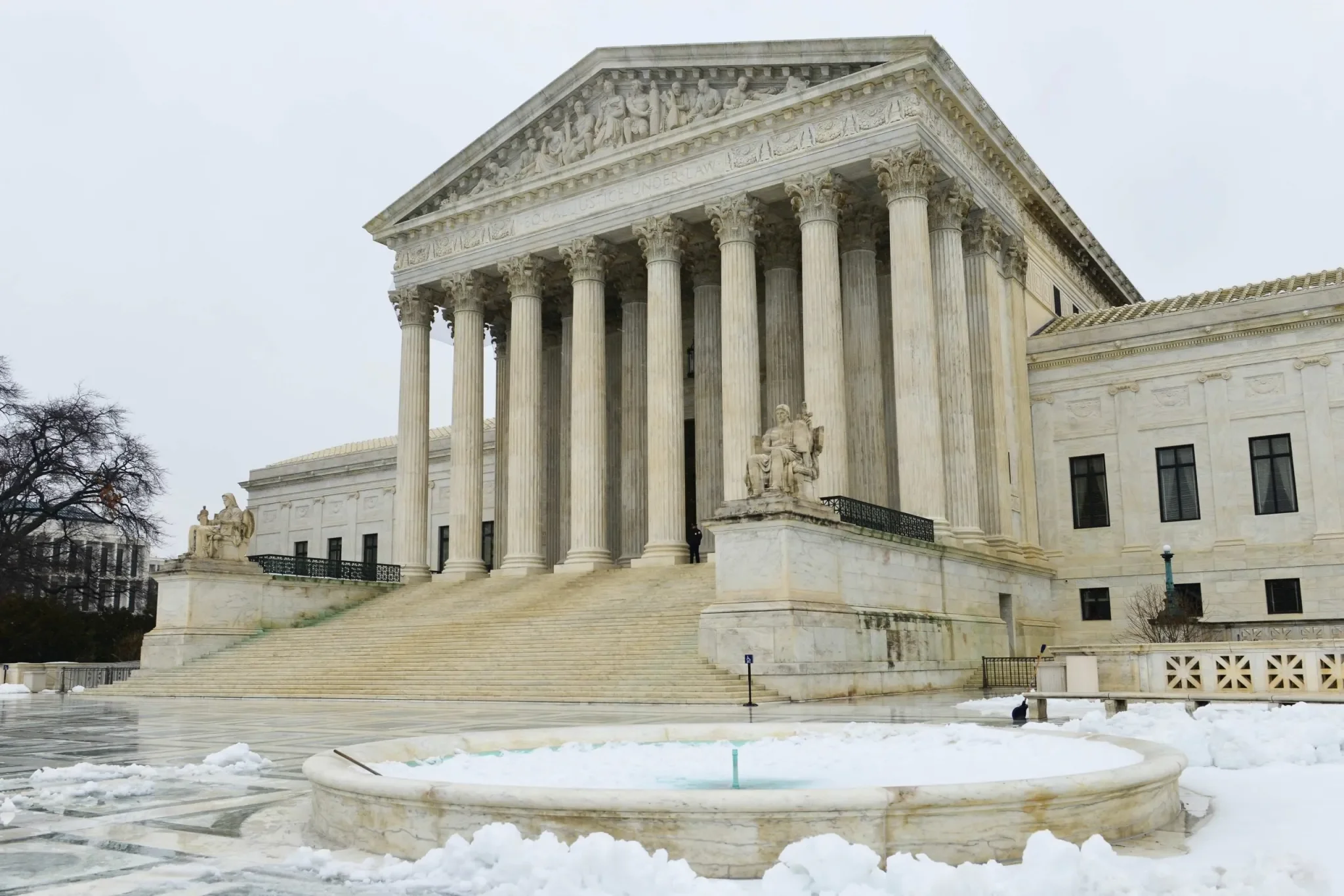
(Orhan Cam via Shutterstock)
By Kelsey Dallas
Each holiday season, as peppermint mochas return to coffee shop menus and mall Santas take their posts, a familiar kind of religious freedom conflict appears in the news: disputes over nativity scenes. Specifically, communities across the country have battled and are battling over whether depictions of the biblical story of Jesus Christ’s birth belong in seasonal displays on public land.
This crèche conflict continues despite two Supreme Court rulings on the topic. Twice in the 1980s, the justices considered whether nativity scenes on public property violate the First Amendment’s establishment clause, which, among other things, bars the government from treating one religion better than others. The cases divided the court, which ultimately allowed one display and prohibited the second.
These divergent decisions are still debated today, in part because they grew out of a controversial establishment clause precedent. Here’s an overview of what the court said in the cases, what legal experts mean by the “reindeer rule,” and why some justices felt the ruling permitting a nativity display watered down the religious significance of Christmas festivities.
