
Location: Decatur Ballroom
Grounded in developments in Atlanta and the broader South, this panel will examine how faith communities, religious institutions, and faith-based health systems are shaping, and responding to, health policy debates around vaccines, reproductive care, Medicaid, and public health authority. Panelists will discuss where religion is exerting real influence on policy and practice, how political shifts under a new Trump administration are changing the landscape, and what journalists should be watching as health policy disputes increasingly intersect with faith, ethics, and access to care.
SPEAKERS
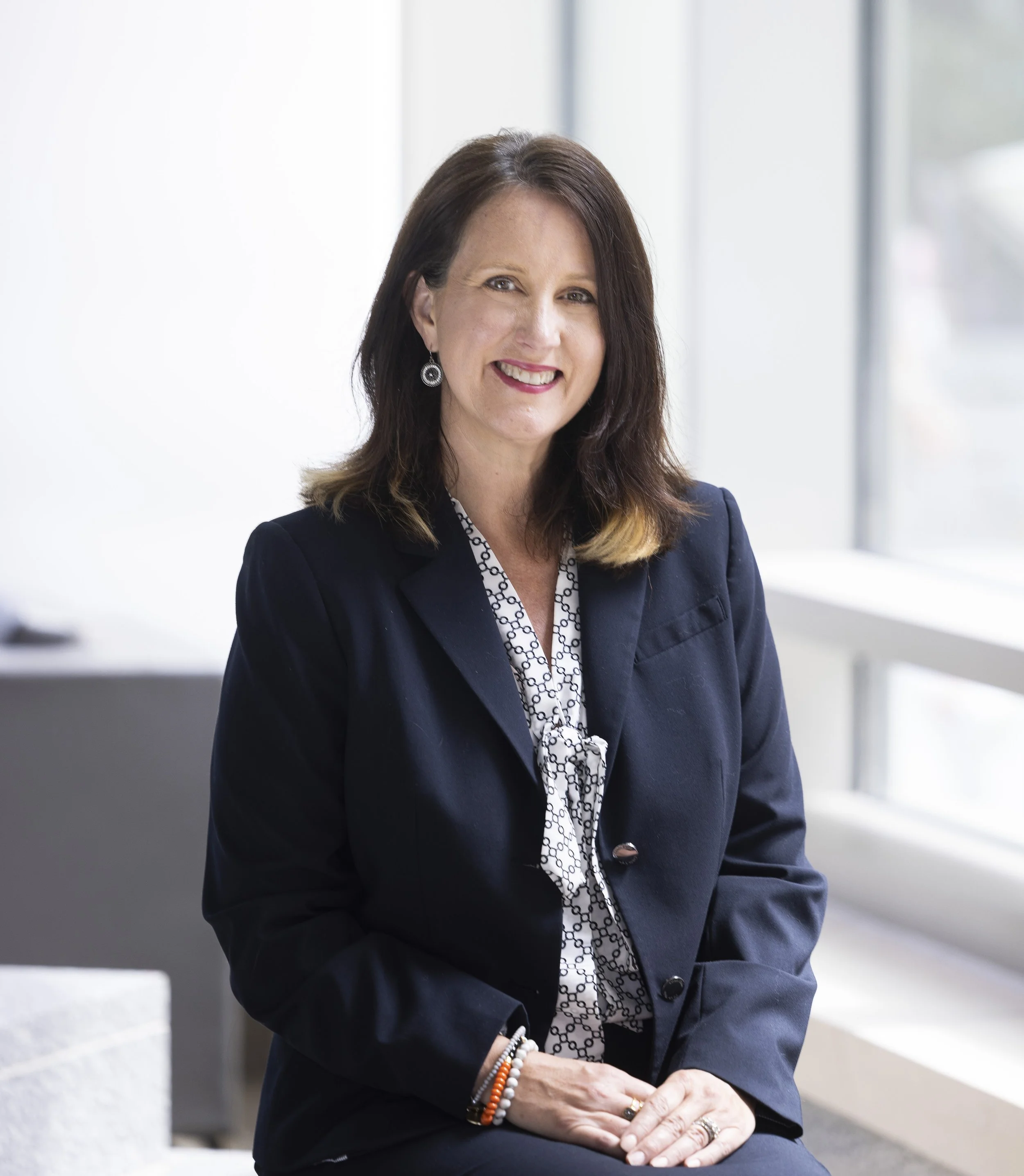
Dean M. Daniele Fallin
M. Daniele Fallin, PhD, is the James W. Curran Dean of Public Health at Emory University’s Rollins School of Public Health. Dr. Fallin’s research applies genetic epidemiology methods to studies of neuropsychiatric disorders including autism, Alzheimer's disease, schizophrenia, and bipolar disorder and to developing applications and methods for genetic and epigenetic epidemiology, as applied to mental health and development. She also works to promote the integration of mental health into the field of public health.
Dr. Fallin has led multiple projects regarding how environments, behaviors, genetic variation, and epigenetic variation contribute to risk for psychiatric disease, particularly autism. She currently serves on the Administrative Core of the national Healthy Brain and Child Development Study examining brain development from birth to age 10.
Prior to joining Rollins in 2022, Dr. Fallin served as professor and chair of the Department of Mental Health at the Johns Hopkins Bloomberg School of Public Health. While there, she directed the Wendy Klag Center for Autism and Developmental Disabilities and the genetic epidemiology area with the school’s Department of Epidemiology. She was elected to the National Academy of Medicine in 2023.
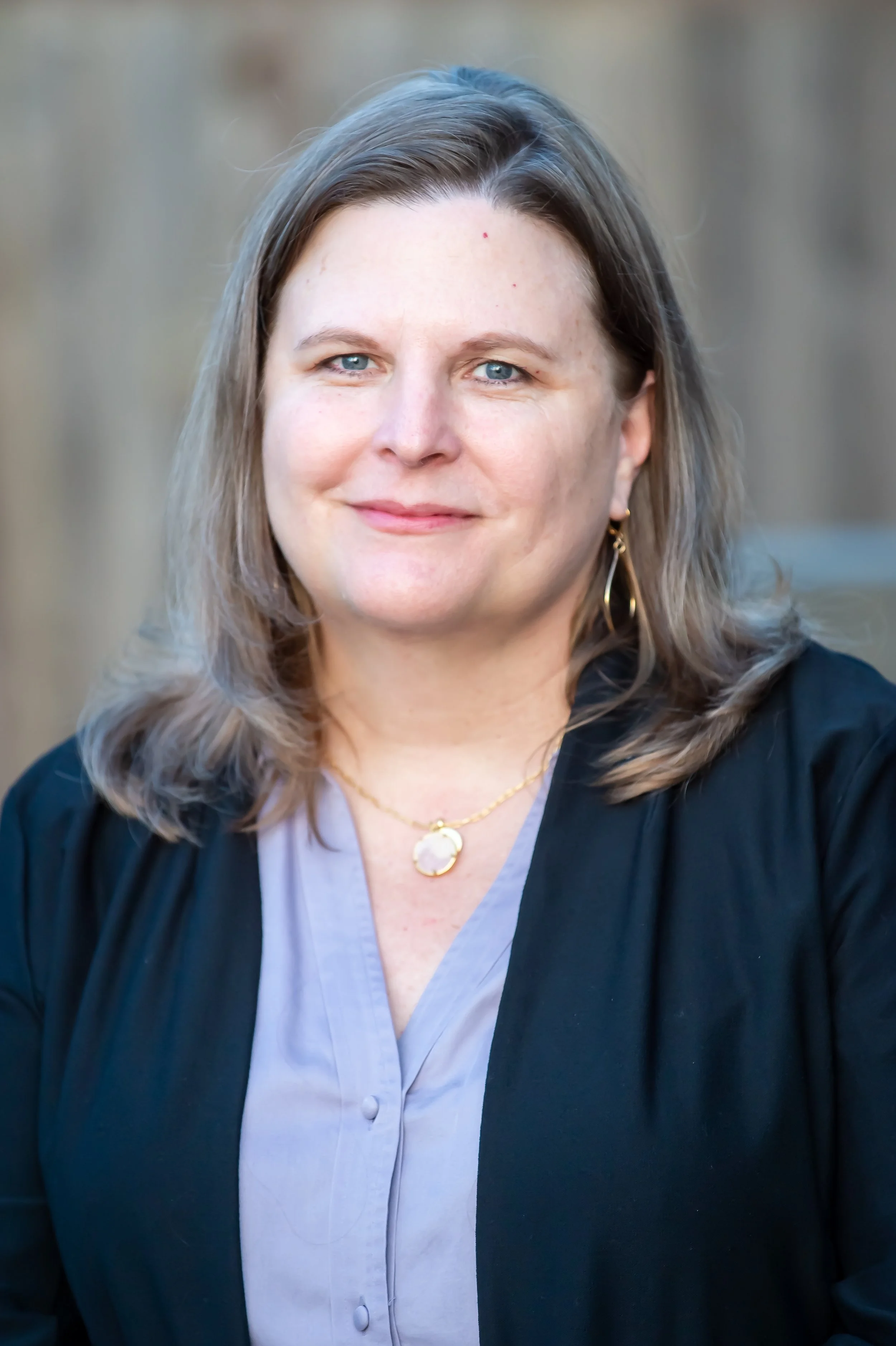
Ariel Hart
Ariel Hart is an independent journalist based in Atlanta. She spent a decade covering health policy at The Atlanta Journal-Constitution, including coverage of abortion, home birth, the COVID-19 pandemic, the Affordable Care Act, Medicaid, and the Trump administration’s changes to the U.S. Centers for Disease Control and Prevention. She most recently explored the impact of the CDC’s little-known partnership with thousands of churches to promote COVID vaccination during the pandemic. Ariel’s health reporting has earned the American Academy of Pediatrics Georgia Chapter’s Friend of Children Award, and shared placement as a finalist for the Pulitzer Prize in National Reporting.
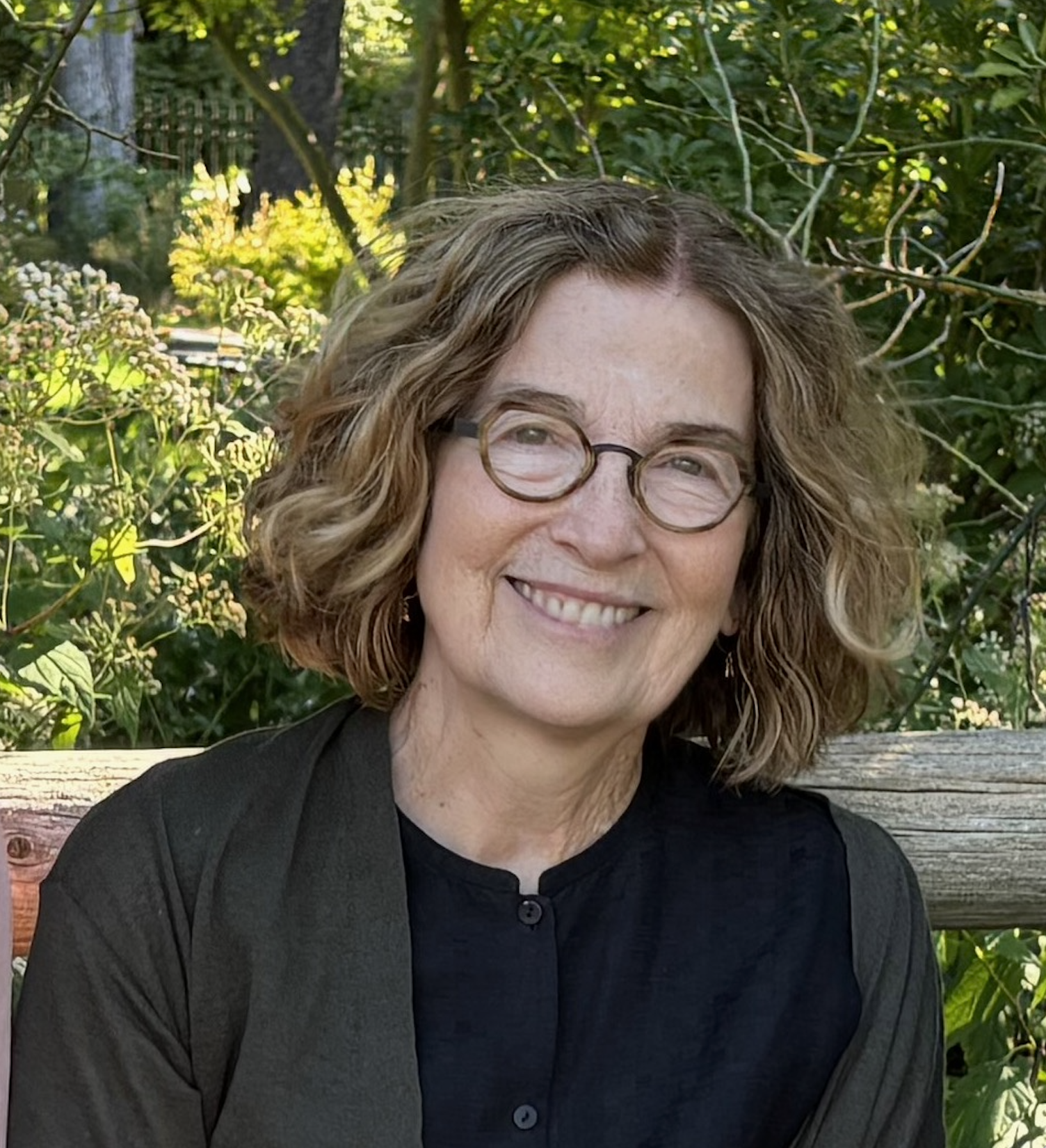
Dr. Ellen Idler
Ellen Idler, PhD is the Samuel Candler Dobbs Professor of Sociology, and Director of Emory’s Religion and Public Health Collaborative, with additional Emory appointments at the Rollins School of Public Health, the Center for Ethics, and the Graduate Division of Religion. She earned her PhD from Yale University and held a fellowship at Union Theological Seminary in New York. Dr. Idler is a Fellow of the Gerontological Society of America. She served as Chair of the American Sociological Association’s Section on Aging and the Life Course and received its 2022 Matilda White Riley Distinguished Scholar Award. She studies the influence of attitudes, beliefs, and social connections on health, especially in the context of faith communities. Her work emphasizes that it is important to think of the impact of religion on health at both the individual and the organizational level, and to consider how the partnerships of faith communities with other nongovernmental organizations can be facilitated for the improvement of public health. Her research papers have been cited over 27,000 times. She is an Academic Editor for PLoS One and Editorial Board member for Innovation in Aging and Palliative Care and Social Practice. She was the Editor and a contributing author to Religion as a Social Determinant of Public Health (Oxford, 2014).
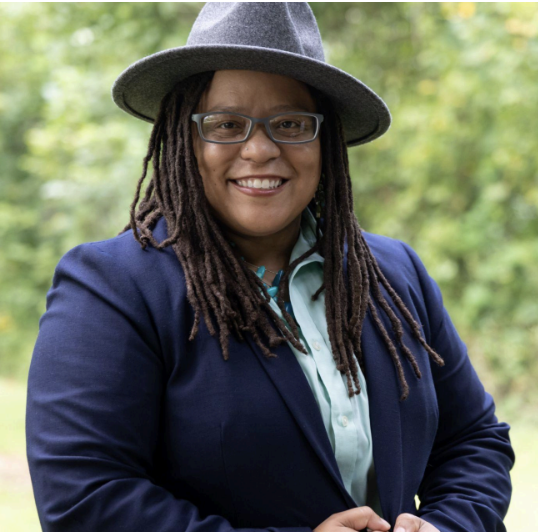
Senator Kim Jackson
Senator Kim Jackson serves as Senator for Georgia State Senate District 41 in Dekalb County and the Minority Whip for the Senate. Kim works every day to build a safer, fairer, and more prosperous Georgia, and bring the diverse voices of her district to the Capitol: immigrants, refugees, the unhoused, and people living on the margins.
In her years in office, Kim has defended our voting rights against relentless attacks; authored life-saving legislation for stalking victims; secured unprecedented funds for Black farmers, preK programs, and those experiencing traumatic brain injuries; served as co-chair of the Mental Health Caucus and chair of the DeKalb County Delegation; and currently serves as Whip for the Senate Democratic Caucus. Most recently, Kim passed legislation to create an Address Confidentiality Program for survivors of domestic violence, stalking violence, and human trafficking.
An Episcopal priest from the rural South, Kim made Georgia home over a decade ago. After graduating from Furman University, Kim volunteered as an EMT before receiving her Master’s of Divinity at Emory's Candler School of Theology. Over the past 10 years of ministry, she has served as a college chaplain, a nationally-renowned consultant and preacher, and Vicar for the Church of the Common Ground, a parish in downtown Atlanta co-creating church with those experiencing homelessness. Kim is the Senior Vice President of Programs at State Innovation Exchange (SiX), a national organization working to drive progressive policy change through state legislator policy support, strategic advice, and capacity-building.
She, her wife, and two boys live on an urban farm in Stone Mountain with a menagerie of goats, ducks, honeybees, rabbits, and chickens.
MODERATOR
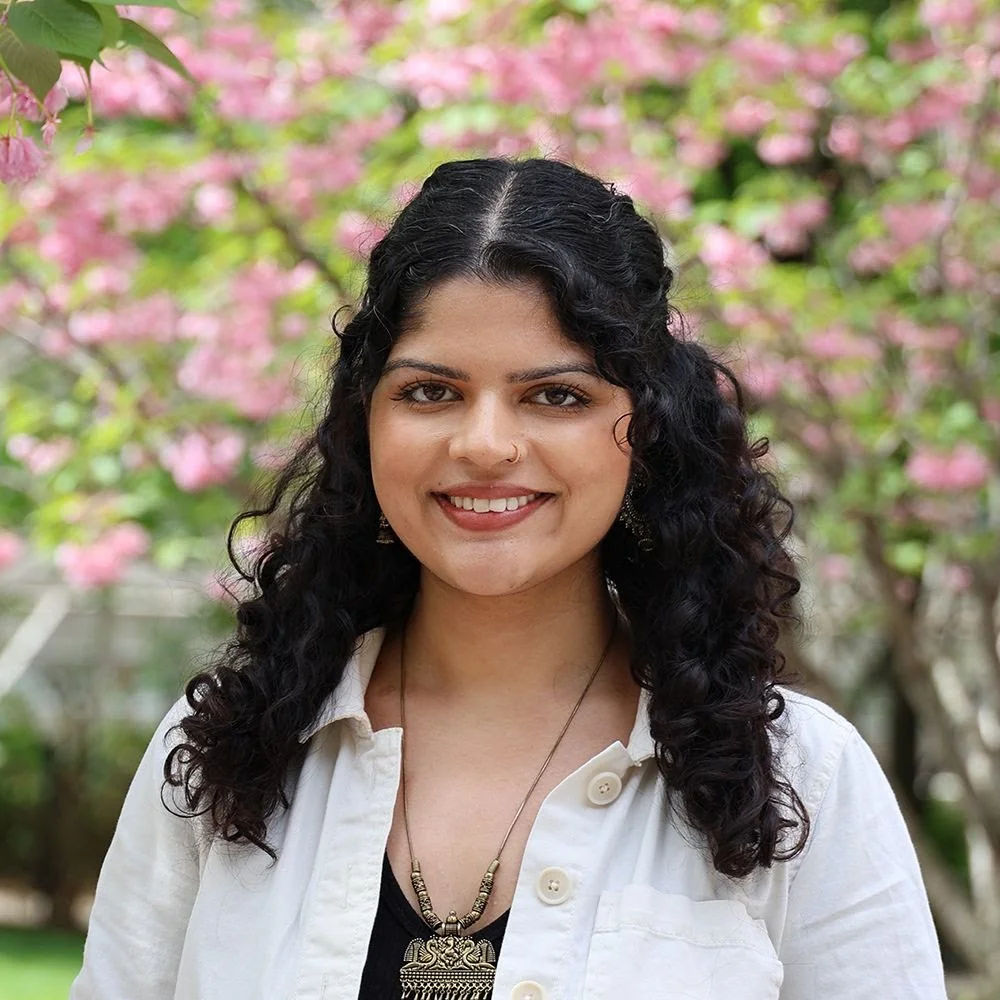
Richa Karmarkar
Richa Karmarkar is a New York City based national reporter for RNS, primarily covering Hinduism and other Eastern traditions. In her three years at RNS, Richa has gotten to explore the world of alternative, often spiritually-grounded health and wellness practices, from yoga and mindfulness to chakra healers who promote weight loss. In her beat, she says, it is not uncommon to meet people who believe science and religion can and should coexist, or progressive activists and health professionals who connect access to healthcare to an ancient, divine right. She is honored to be here today as a representative from the Midwest. Richa is a graduate of Columbia University’s Religion and Journalism dual Master's program, and holds three Bachelor’s degrees in Religious Studies, History, and Journalism from the University of Wisconsin-Milwaukee.